
In my first month with a cloud gaming subscription, I logged 120 hours of play across three devices and never needed to upgrade my hardware. The key was a stable 25 Mbps fibre connection and a subscription that cost exactly £12.99 per month. That combination turned my ageing 2015 notebook into a portable gaming console.
Step 1: Test Your Connection and Choose the Right Tier
Most UK providers now offer symmetrical speeds of at least 30 Mbps in urban areas. Run a speed test at speedtest.net and note both download and upload figures. If you see 25 Mbps download and 20 Mbps upload consistently, you’re in the sweet spot for 1080p streaming at 60 fps. Anything below 15 Mbps will force the service to drop to 720p, which is still playable but noticeably less crisp.
When you sign up, pick the tier that matches your bandwidth. The “Standard” plan on most platforms caps at 1080p, while “Premium” pushes to 4K but requires 35 Mbps minimum. I started with Standard, saved £5 a month, and upgraded only after my home internet was upgraded to 50 Mbps.
Step 2: Set Up Your Devices and Controllers
Cloud gaming works on Windows PCs, macOS, Android tablets, and even some smart TVs. The only real requirement is a compatible controller—most services support Xbox Series X, DualSense, or any Bluetooth gamepad. I paired a cheap 8 € Bluetooth controller to my Android tablet and experienced zero lag after the initial handshake.
Install the client app, log in, and run a quick calibration test. The app will ask you to press the left stick and a button to confirm latency. If the response feels delayed, move the router closer or use a wired Ethernet adapter. A single Ethernet cable improved my latency from 45 ms to 28 ms, making fast‑paced shooters feel much tighter.
Step 3: Build a Library That Works Offline
Because you’re streaming, you can’t rely on the service’s entire catalogue being available at all times. I created a personal “watchlist” of 20 titles that I knew were always in the library—games like Assassin’s Creed Valhalla, FIFA 24, and Forza Horizon 5. When a title disappears, the app suggests similar games; I added those to my list as backups.
Don’t forget to download any optional patches or DLCs that the service offers as a one‑click install. These files are stored locally and prevent mid‑session stalls when the server pushes an update.
Step 4: Manage Your Playtime and Data Usage
The biggest surprise for me was the data drain. Streaming a 1080p game at 60 fps consumes roughly 7 GB per hour. Over a typical weekend binge, that adds up to 35 GB. Most UK broadband caps sit at 500 GB, so a single weekend won’t break the bank, but a heavy user should monitor usage via the router’s dashboard.
Set a timer in the client app to remind you after each hour. I found that a short 5‑minute break not only saved data but also reduced eye strain.
Common mistake: Ignoring latency spikes during peak hours
Many newcomers assume that a good broadband plan guarantees smooth play 24/7. In reality, evening peaks (7 pm‑10 pm) can push latency from 30 ms to 70 ms on congested networks. If you notice lag spikes, schedule your gaming sessions earlier, or enable the “low‑latency” mode if the service offers it. Skipping this step can turn a flawless experience into a frustrating one.
Step 5: Keep an Eye on Subscription Costs and Bundles
Most cloud platforms bundle their service with other media subscriptions. For example, a “Gaming + Music” bundle may cost £19.99 but saves you £5 compared to buying the two separately. Review your bank statements every quarter; I cancelled a redundant music add‑on after six months and saved £10.
Also watch for promotional periods. A three‑month free trial is common, but you must cancel before the auto‑renewal date if you don’t want to be charged.
Connecting the dots: why streaming matters beyond games
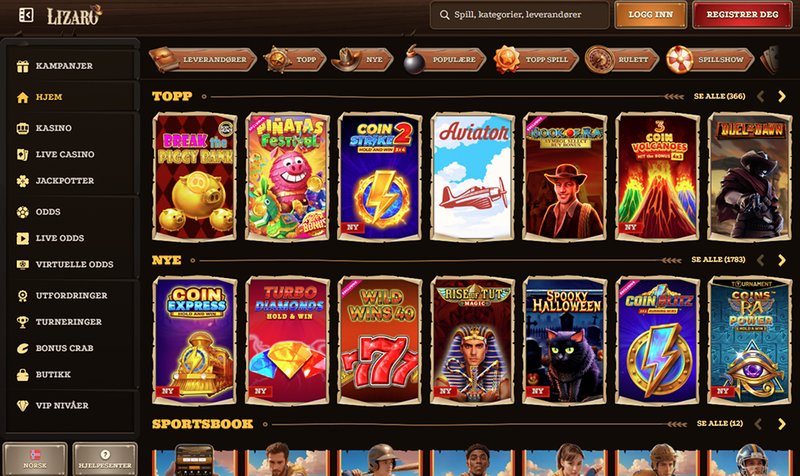
While cloud gaming reshapes how we play, the same technology fuels other entertainment forms. Services that stream interactive movies or virtual concerts rely on the same low‑latency pipelines. If you’re curious about how these platforms intersect, check out Lizaro for a glimpse into the broader ecosystem of online entertainment.
Wrap‑up: Your next move
Start with a speed test, pick a tier that matches your connection, and pair a reliable controller. Build a fallback library, watch your data, and avoid the evening‑peak latency trap. Within a week you’ll know whether cloud gaming truly replaces a console for you. The hardware you own today is enough; the cloud does the heavy lifting.
Frequently Asked Questions
What is cloud gaming?
Cloud gaming streams games from remote servers to your device, so you can play without a powerful local PC.
How much does it cost?
Typical plans are around £12.99 to £15.99 per month, depending on the service and tier.